The American Revolution
Journey through the turning points that transformed thirteen colonies into a new nation. From early conflicts and rising tensions to the Declaration of Independence and the final victory at Yorktown, these lessons introduce students to the people, battles, and big ideas that defined America’s fight for independence.
The American Revolution Lessons
These lessons guide students through the major events, people, and ideas of the American Revolution. From early conflicts and rising tensions to the Declaration of Independence and the final victory at Yorktown, this unit provides clear, engaging resources for grades 3–6.
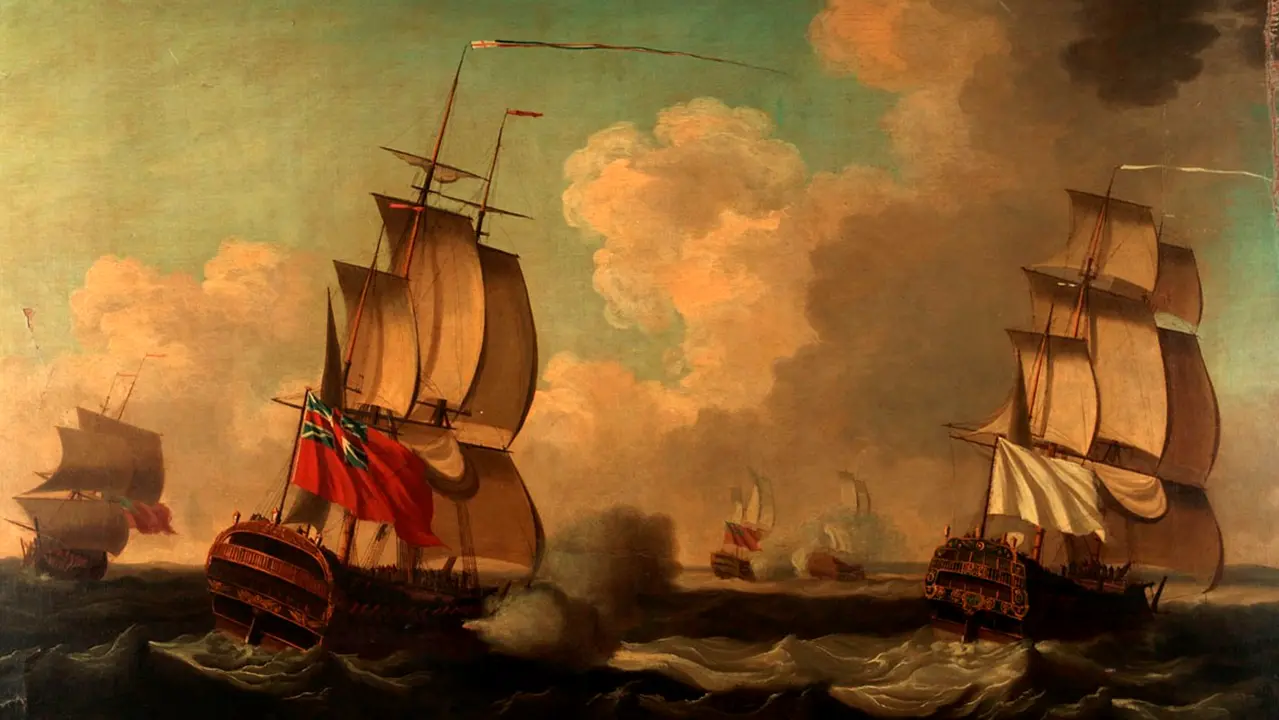
The French and Indian War: A Conflict That Changed America
Explore the causes, alliances, major battles, and outcomes of the French and Indian War—and how it set the stage for the American Revolution.
View Lesson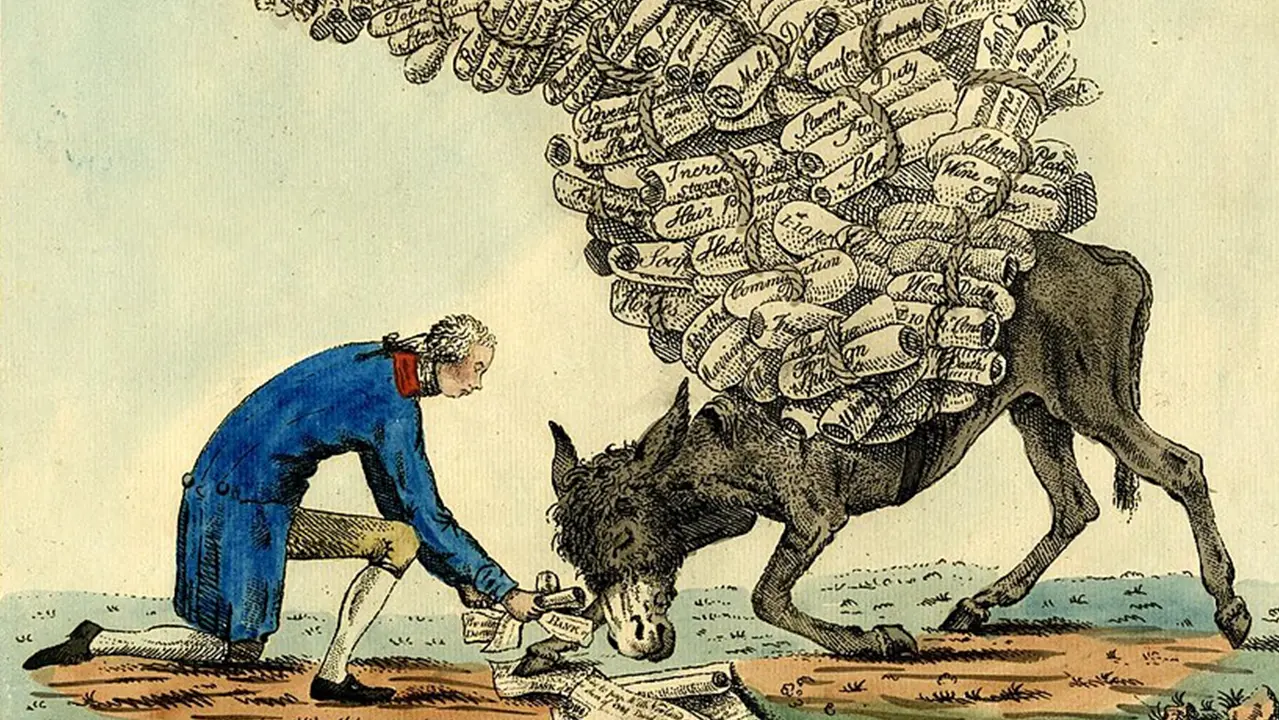
British Taxes and Colonial Resistance
Learn how new British taxes angered colonists, sparked protests like the Stamp Act riots, and pushed the colonies toward rebellion.
View Lesson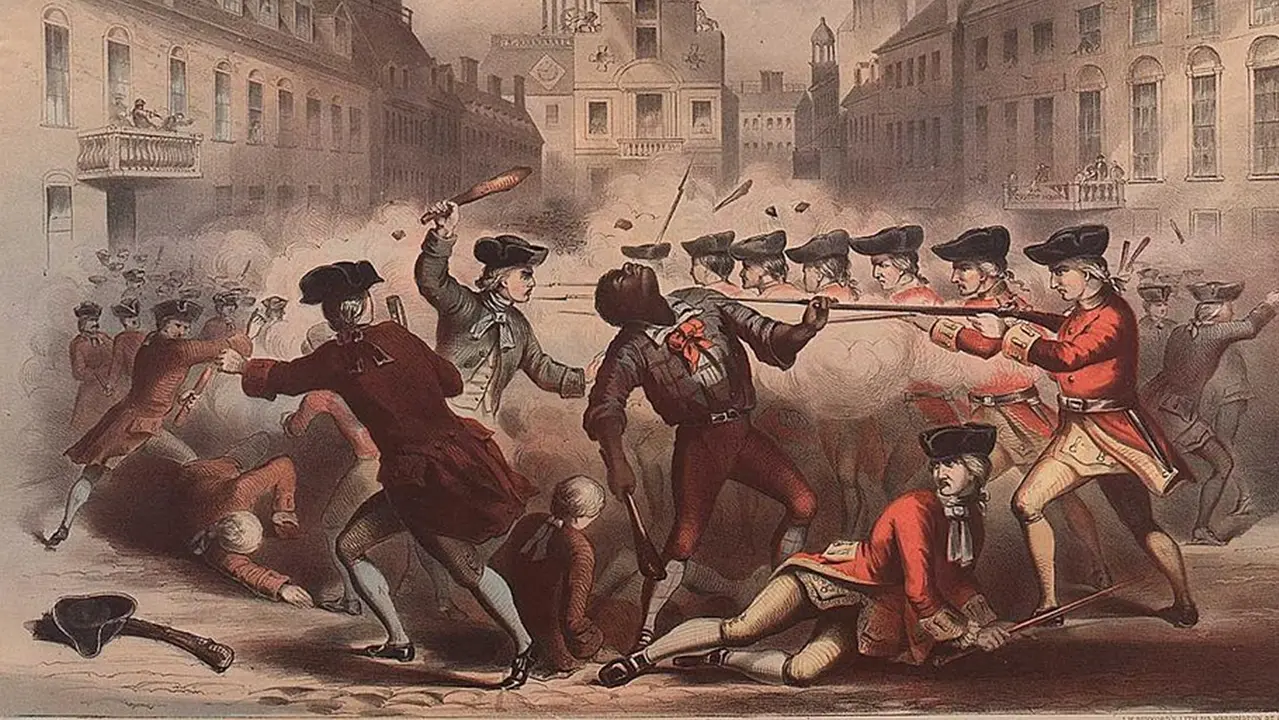
Trouble in Boston
Examine the growing tensions in Boston, including the Boston Massacre and the Boston Tea Party, and how these events united the colonies.
View Lesson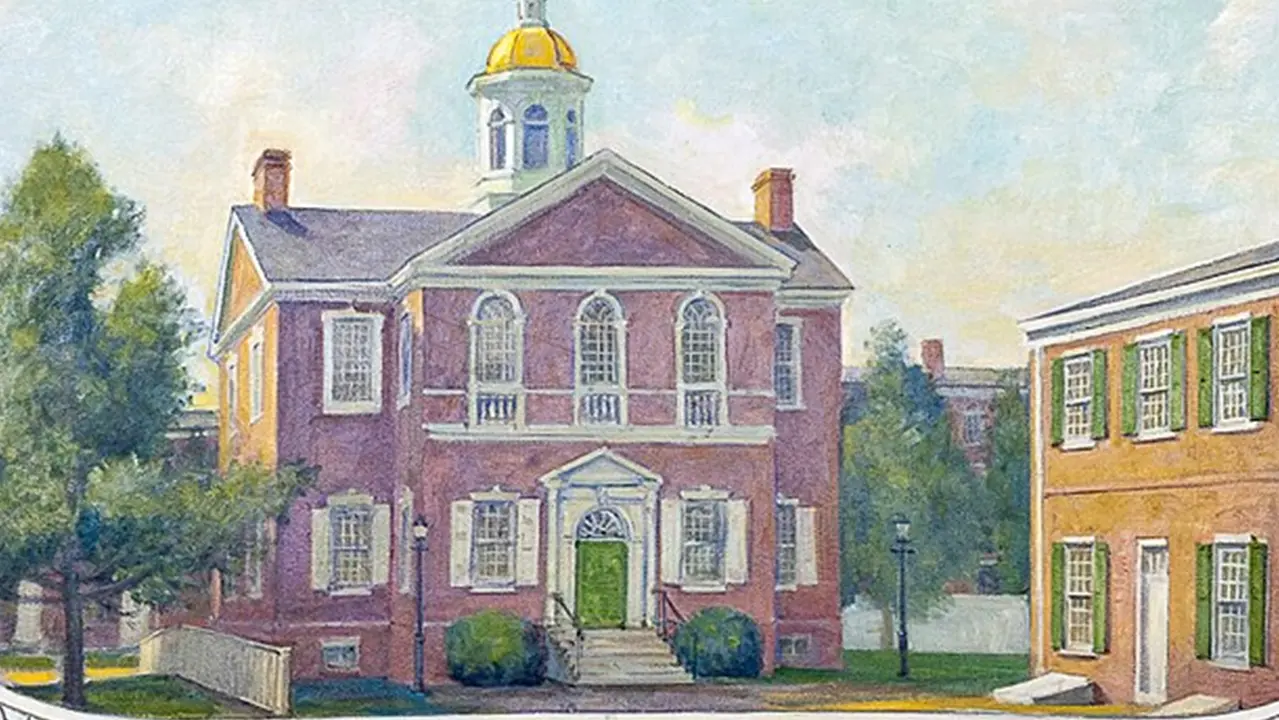
The Intolerable Acts and the First Continental Congress
Discover how the Intolerable Acts punished Massachusetts and how colonial leaders responded by forming the First Continental Congress.
View Lesson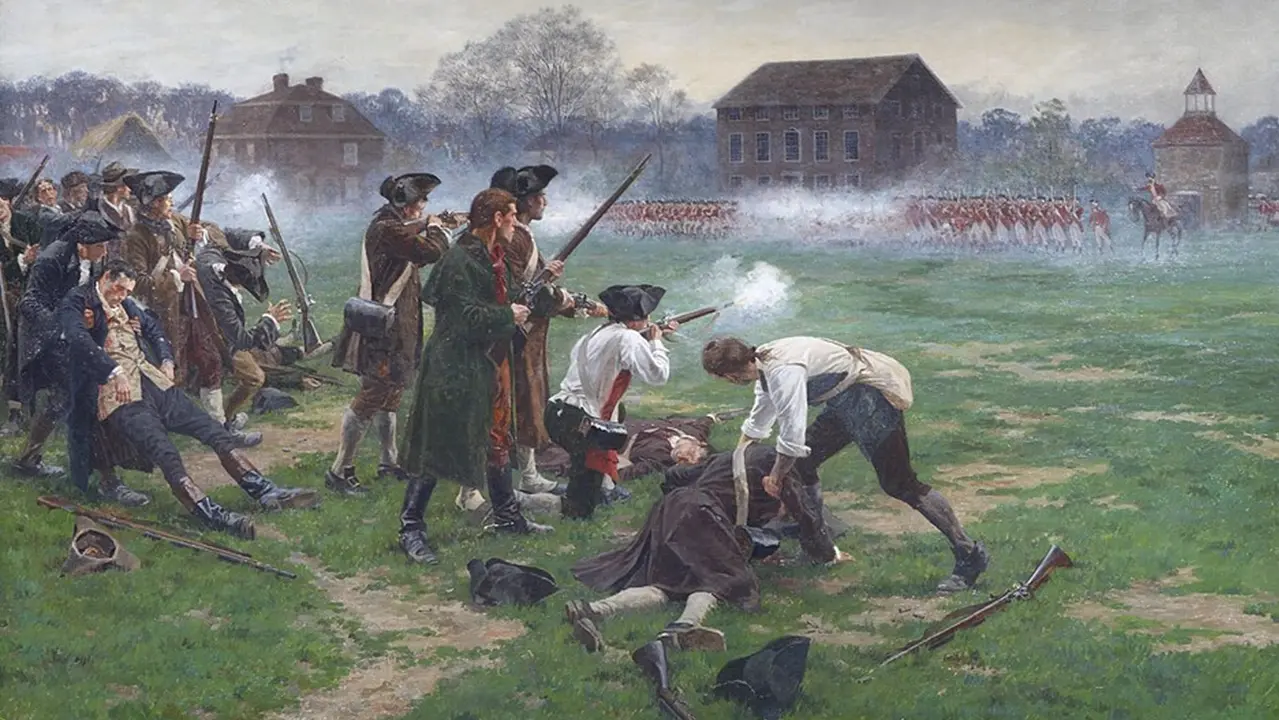
The Shot Heard ’Round the World
Follow the opening battles at Lexington and Concord, where colonial militia faced British troops and the Revolution officially began.
View Lesson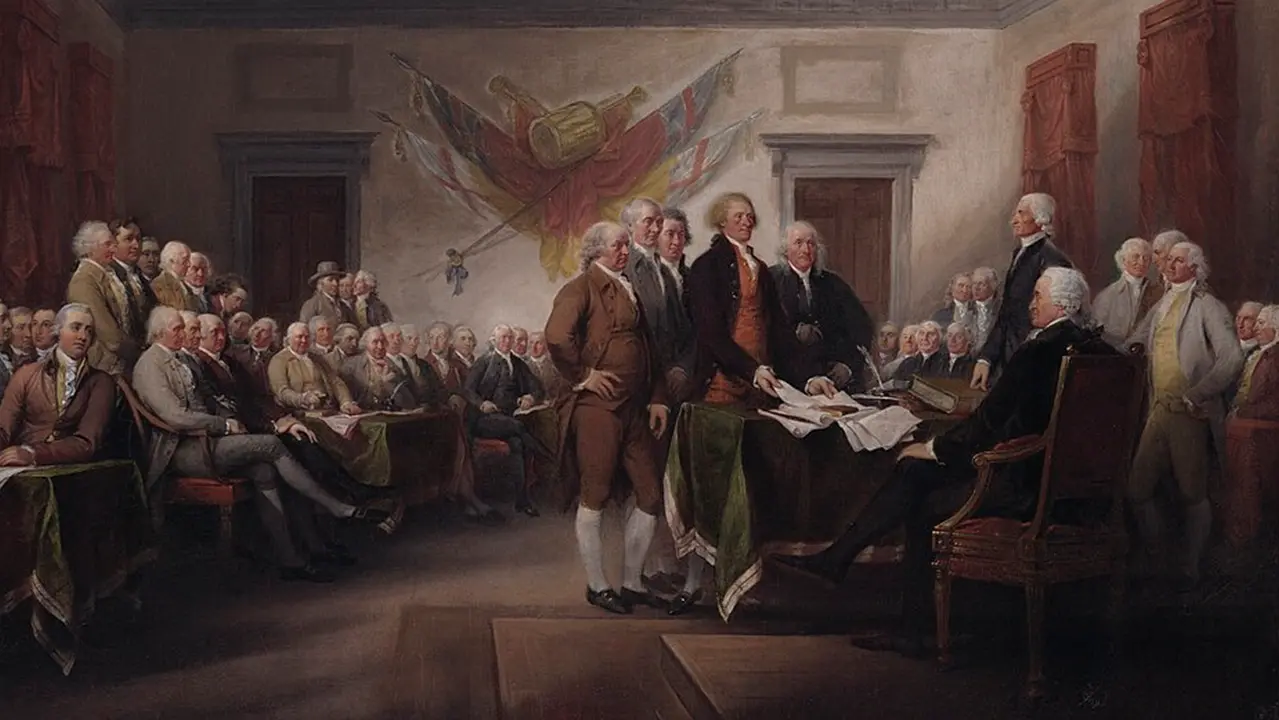
The Second Continental Congress and the Declaration of Independence
Learn how delegates debated independence, selected George Washington as commander, and approved the Declaration of Independence.
View Lesson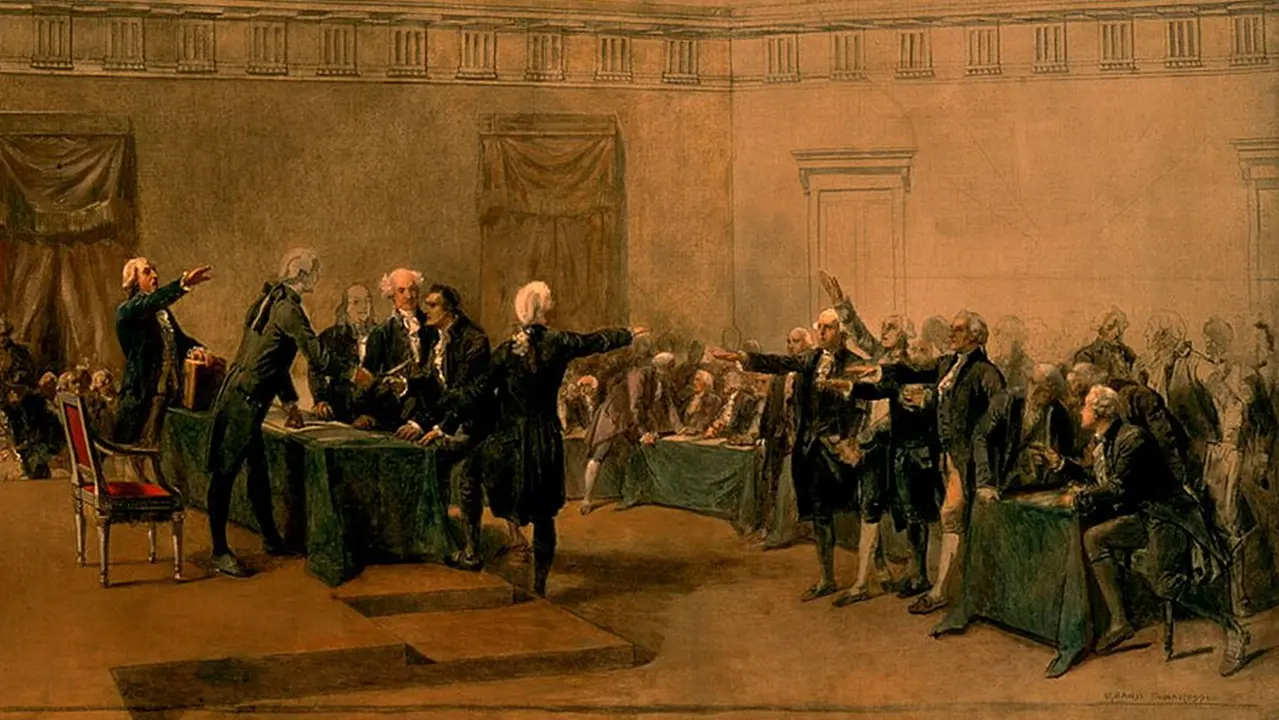
Key Ideas in the Declaration of Independence
Explore the major principles in the Declaration—natural rights, grievances against the king, and the colonies’ justification for independence.
View Lesson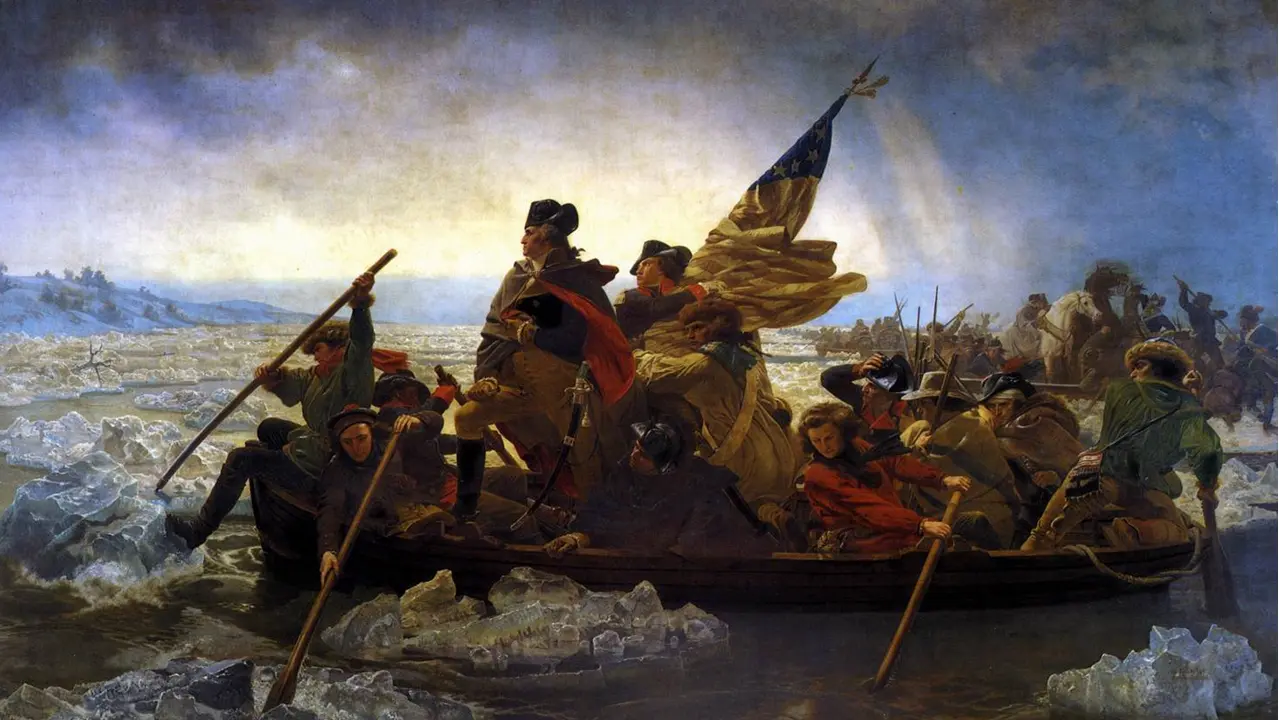
Major Battles of the Revolutionary War
Follow the war from Fort Ticonderoga and Bunker Hill to Trenton, Saratoga, Valley Forge, the war at sea, the Southern campaign, and Yorktown.
View Lesson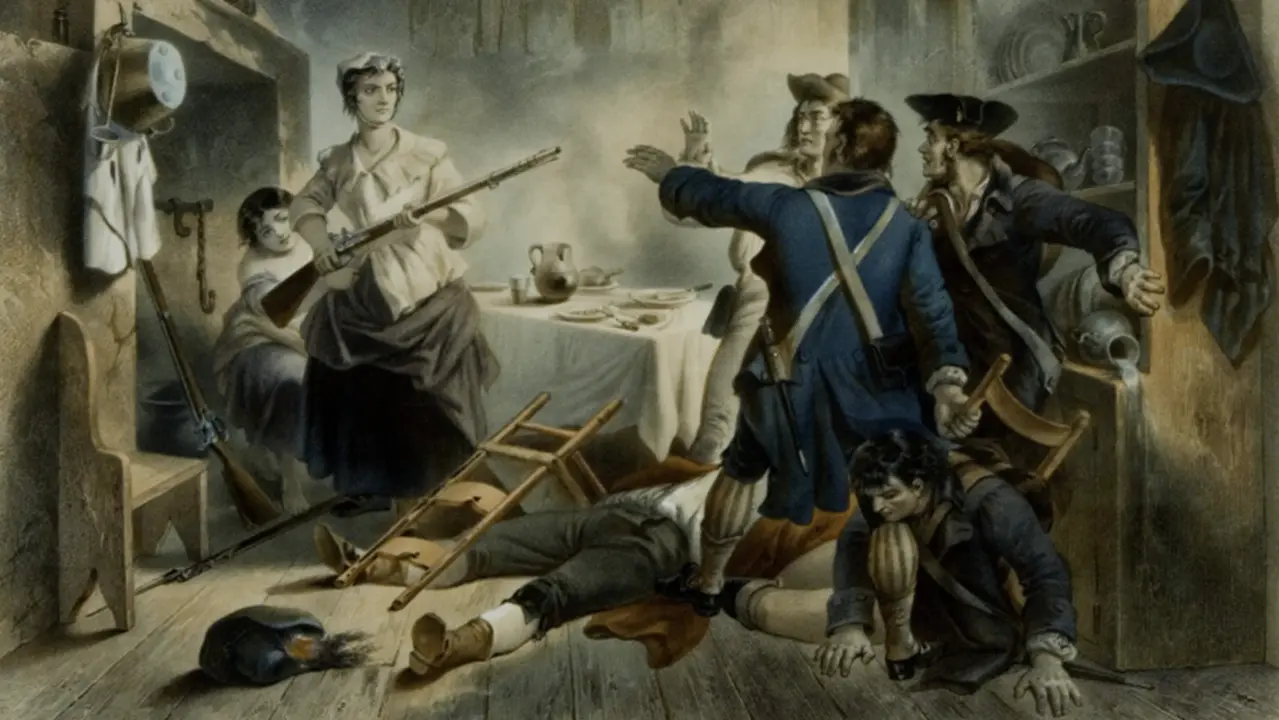
Women, African Americans, and Native Americans in the Revolution
Learn how women, enslaved and free African Americans, and Native American nations contributed to and were affected by the war.
View Lesson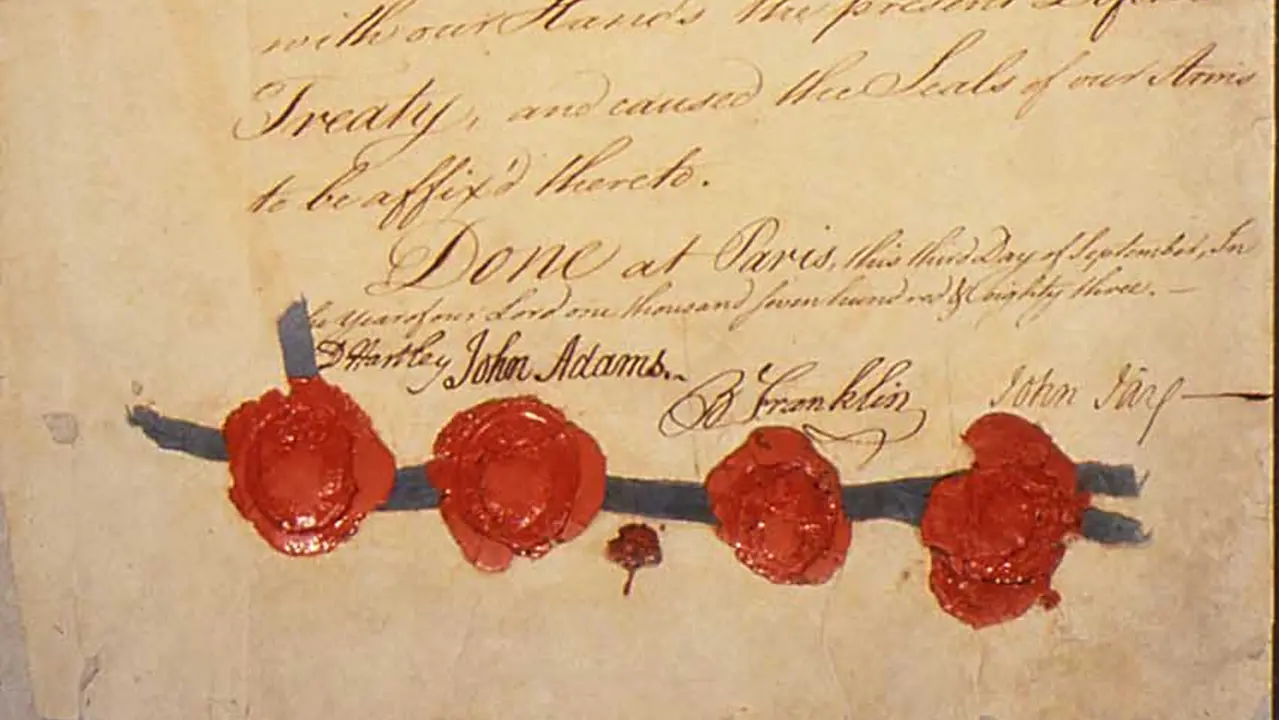
The End of the War and the Treaty of Paris
Trace the final years of the war, the surrender at Yorktown, and the Treaty of Paris that officially recognized American independence.
View Lesson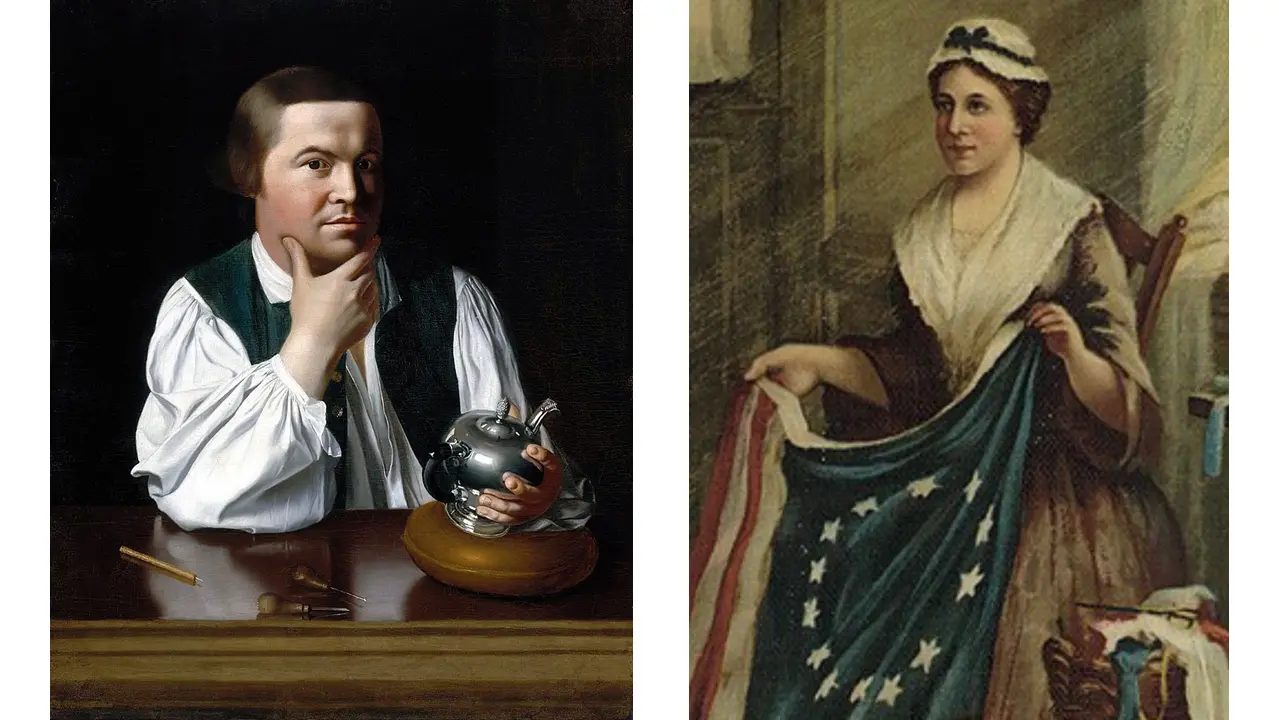
Famous People of the American Revolution
Meet more than twenty people, from George Washington, Abigail Adams, and Paul Revere to Joseph Brant, Nathan Hale, and Benedict Arnold.
View Webpage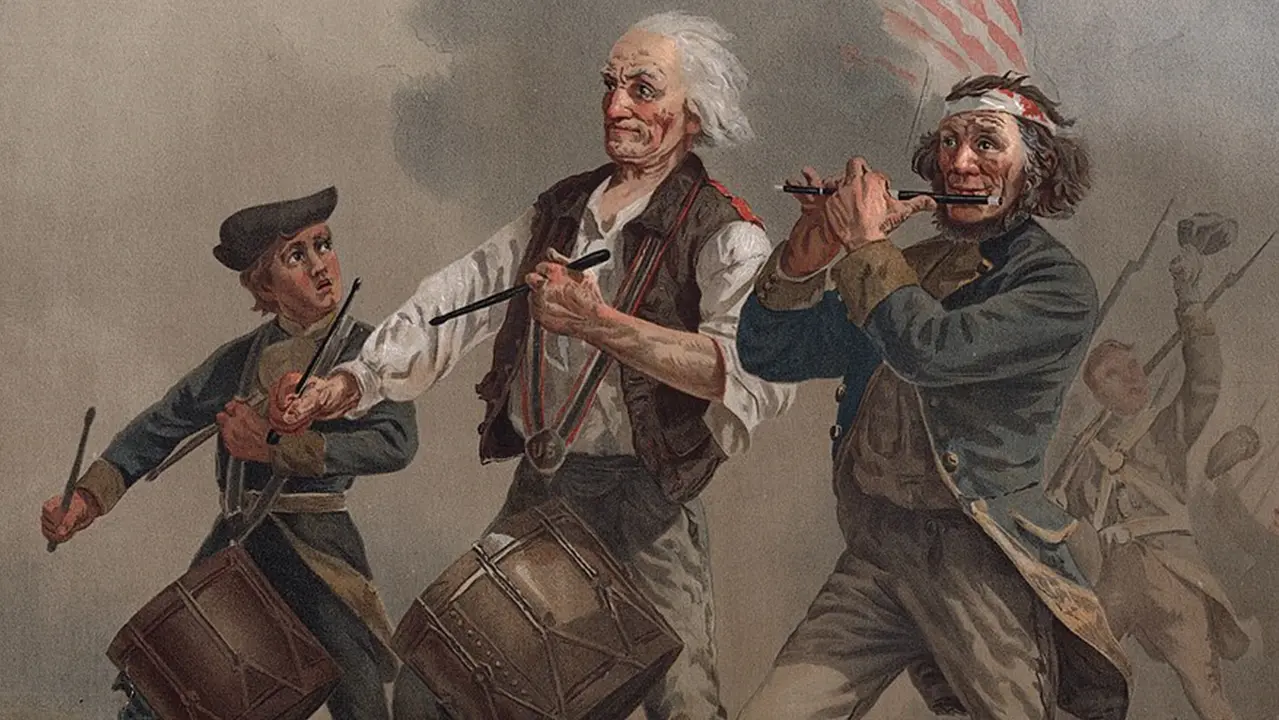
Symbols of the American Revolution
Learn the meaning behind symbols such as the Liberty Tree, the Gadsden rattlesnake, the Minuteman, the first American flags, and the Liberty Bell.
View WebpageKey Causes of the American Revolution
Taxes and Acts
Parliament passed new taxes such as the Stamp Act and Townshend Acts to help pay war debts. Colonists argued they should not be taxed without representation in government.
Growing Tensions in Boston
Events like the Boston Massacre and the Boston Tea Party increased anger toward British rule and united many colonists in protest.
Punishment and Protest
The Intolerable Acts were designed to punish Massachusetts, but instead they encouraged the colonies to work together and form the First Continental Congress.
The First Shots
When British troops marched to seize weapons in Massachusetts, colonial militia confronted them at Lexington and Concord—beginning the Revolutionary War.
Explore the American Revolution Unit
A complete, ready‑to‑teach unit with research passages, organizers, writing tasks, quizzes, and digital activities.
What’s Included
- Research passages with comprehension tasks
- Organizers for every lesson
- Respond + Write workflow
- Quizzes and activities
- Printable & digital versions
- Website research included