Spanish Settlements
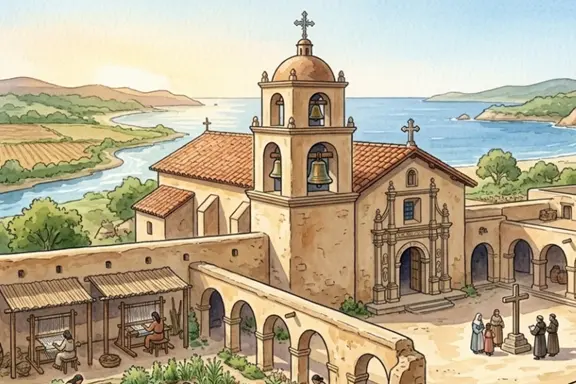
Fast Facts: Spanish Settlements
Spanish Settlements
- Time Period: 1500s–1600s
- Main Purpose: Gain wealth, spread Christianity, control new lands
- Key Features: Missions, presidios, encomienda system
- Regions: Caribbean, Mexico, Central America, South America, U.S. Southwest
- Result: Spain built the first European settlements in the Americas
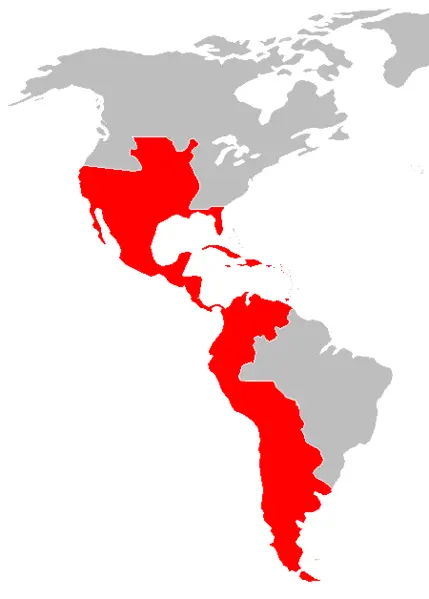
Spanish Settlements at a Glance
- Spain built missions to convert Native peoples to Christianity.
- Presidios protected Spanish settlements and trade routes.
- The encomienda system forced Native peoples to work for Spanish landowners.
- Spanish settlers searched for gold, silver, and farmland.
- Spanish rule greatly changed Native cultures and populations.
Spanish Settlements
After exploring the Americas, Spain began building settlements to control its new lands. Spanish settlements were found in the Caribbean, Mexico, Central America, South America, and the American Southwest. These settlements helped Spain grow wealthy, spread Christianity, and strengthen its empire.
Missions
Spain built missions to convert Native peoples to Christianity. Priests taught religion, farming, Spanish language, and European customs. Missions often included a church, workshops, and farmland. While some Native peoples learned new skills, many were forced to give up their traditional ways of life.
Presidios
To protect the missions and nearby towns, Spain built presidios, or forts. Soldiers guarded the area, enforced Spanish rule, and defended settlers from attacks. Presidios helped Spain keep control over large regions and maintain order in its colonies.
Pueblos
Some Spanish settlers lived in pueblos, or towns. These communities had homes, farms, shops, and plazas. People in pueblos grew crops, raised animals, traded goods, and built permanent homes. Pueblos became important centers of farming and daily life in Spanish America.
Encomienda System
Spain used the encomienda system to control land and labor. Under this system, Spanish landowners were given land and the right to demand labor or taxes from Native peoples. In return, they were supposed to protect and teach them. In reality, the system forced many Native peoples to work in harsh conditions, causing suffering and population decline.
Impact on Native Peoples
Spanish settlements brought major changes to Native cultures. European diseases killed millions. Forced labor, new laws, and loss of land disrupted traditional ways of life. At the same time, Spanish language, religion, and customs spread throughout the Americas and can still be seen today.
Word Match
Drag the vocabulary words to their correct definitions!
Vocabulary Words
Definitions
Lesson 6 — Spanish Settlements Quiz
Activities & Extensions

Students discover how chocolate traveled from the Maya and Aztecs to Europe and eventually became the sweet treat we know today. This activity connects directly to the Chocolate Learning Station and helps students understand how foods, ideas, and traditions moved between cultures.
Explore more chocolate history, science, and activities in the Chocolate Learning Station .
How to Do It: Students explore a short illustrated timeline or map showing chocolate’s path from Central America to Spain and beyond. They examine how chocolate changed over time—from a bitter ceremonial drink to a sweetened luxury enjoyed by European nobles. Students then discuss or record how cultural exchange shaped the chocolate we enjoy today.
Materials:
- Chocolate history timeline or map
- Images of Maya, Aztec, and European chocolate traditions
- Optional: small samples of modern chocolate for comparison
Optional Extension: Students choose one stage of chocolate’s journey and create a short illustration, caption, or mini‑poster explaining how chocolate changed during that time period.
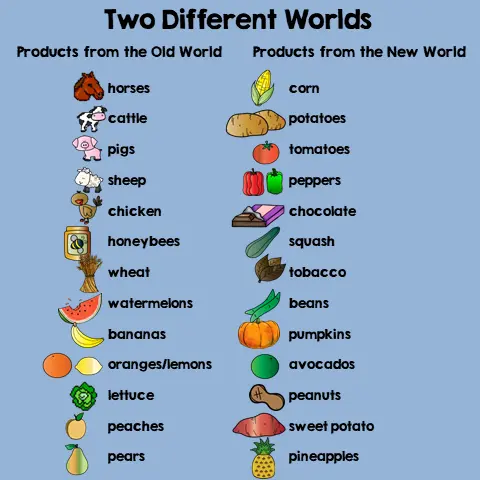
Students explore the Columbian Exchange by sorting foods, plants, and animals into two categories: those native to the Old World and those native to the New World.
How to Do It: Students create two lists labeled Old World and New World. They sort foods such as corn, potatoes, tomatoes, horses, wheat, and chocolate into the correct category. After sorting, students compare their lists to a teacher-provided answer key.
Materials:
- Notebook or sorting mat
- Teacher-provided list of foods
- Colored pencils
Optional Extension: Students choose one Old World food and one New World food and explain how each changed life in the regions where it spread.
Early European Explorers Navigation
Explore the Full Early European Explorers Unit
This complete history unit includes research passages, organizers, writing tasks, quizzes, activities, and website research — all in printable and digital formats. Everything you need to teach Early European Explorers with confidence.
View the Full Unit on TPT